
Abstract
Human oversight is not a person watching every sensor feed. It is a designed authority model: which recommendations may proceed, which must pause, what evidence a reviewer receives, and how intervention changes the system state.
Gap map
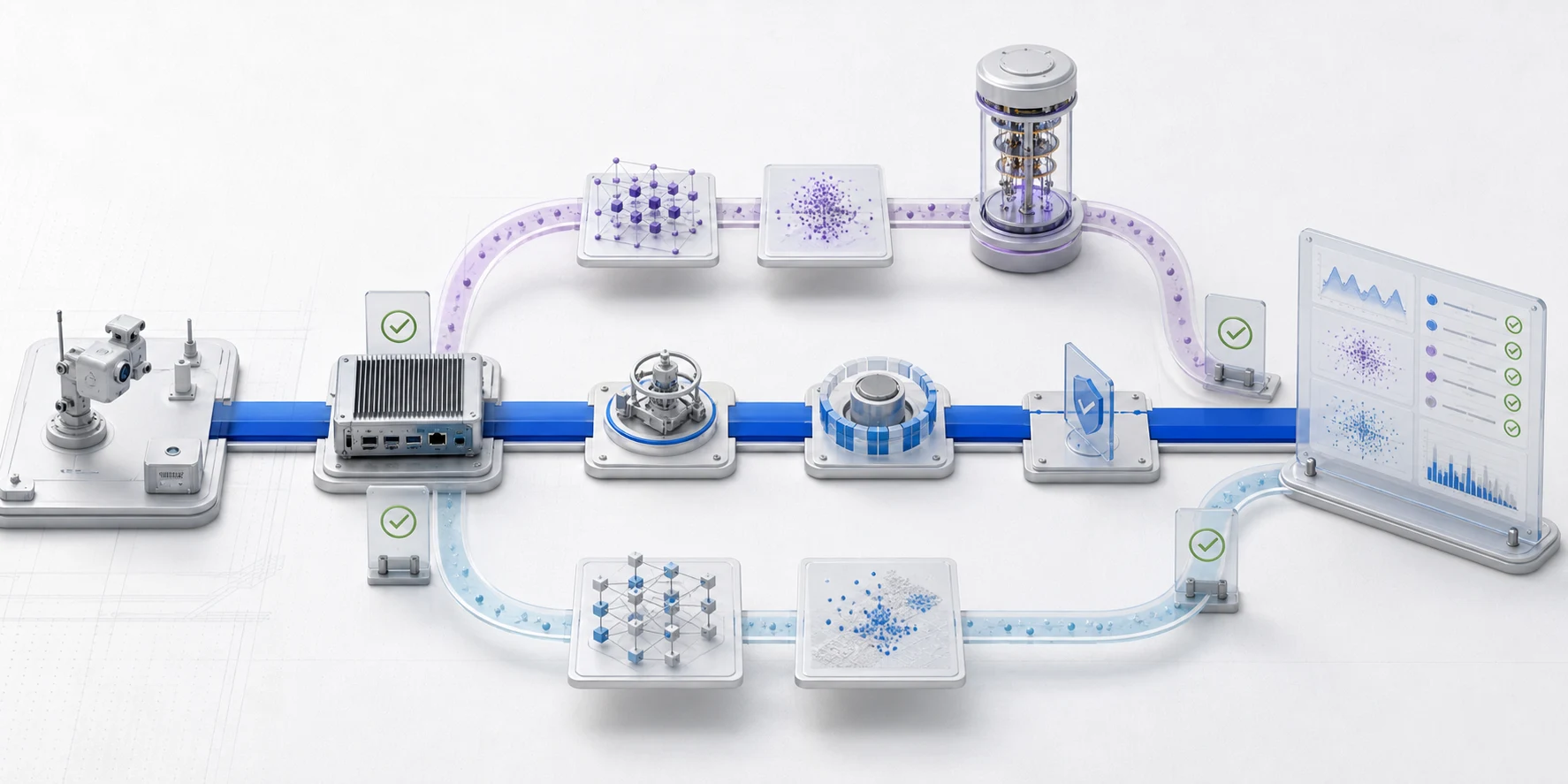
The authority chain around a consequential recommendation
A reviewable autonomy workflow separates system analysis from the legal, operational, and organisational authority to act.
Context
- Objective and current state
- Source and uncertainty
- Time and environmental limits
- Known conflicts
Recommendation
- Proposed next step
- Expected effect
- Alternatives considered
- Confidence and assumptions
Authority
- Applicable policy
- Named reviewer
- Approval or rejection
- Intervention and handover
Evidence
- Decision record
- Runtime response
- Outcome and exceptions
- Replay and learning
Human oversight is a system design, not a slogan.
Placing a person somewhere in the loop says very little. A serious design has to state which decisions the system may make locally, which recommendations require review, who holds authority in each operating state, how long a decision can wait, and what happens when the reviewer cannot be reached.
The answer will differ by context. A low-consequence inspection adjustment is not the same as a recommendation that changes a mission objective, enters a restricted area, or commits a scarce resource. NODERIQ's public position is that consequential authority remains explicit and reviewable rather than being inferred from the fact that a model produced a high-confidence score.
 Concept evidence flow
TD · Technical depth5 supporting chapters and the working checklist.Read deeper
Explainability should answer the operating question at decision time.
A reviewer rarely needs a generic explanation of the model. They need an explanation of this recommendation: the observations that mattered, how current they are, which uncertainty remains, which constraints were checked, what alternatives exist, and what the system will do if the situation changes.
That evidence has to be proportionate. Too little context creates blind approval; too much raw telemetry creates approval fatigue. A product surface should summarize the decision while preserving a path into the underlying evidence for challenge, replay, and specialist review.
Traceable and reviewable does not mean formally proven or certified.
The term verifiable can easily be overstated. On this public surface, it means that a recommendation and authority decision should be connected to inspectable evidence, policy state, configuration identity, and outcome. That is a strong product requirement, but it is not a claim of formal verification, safety certification, independent accreditation, or guaranteed performance.
Productisation should make the distinction visible. Every pilot and release record needs a status label, a named scope, the evidence that supports it, known limitations, and the next evaluation gate. Trust grows when the interface is precise about what has and has not been established.
Practical takeaways
01
Define authority by decision class and operating state, not with a generic human-in-the-loop label.
02
Keep analysis, recommendation, authorization, and execution as separate reviewable events.
03
Design explanations around the question a reviewer must answer at decision time.
04
Make uncertainty, conflict, and missing context change the authority path.
05
Use verifiable to mean traceable and reviewable unless formal verification or certification is actually evidenced.
RA · Reference annexDefinitions, recurring questions, editorial method, and primary sources.Inspect
The analysis above carries the main reading flow. This reference layer keeps terminology, recurring questions, editorial method, and primary sources available without interrupting the argument.
Editorial record
How From recommendation to accountable human authority. was checked.
- Editorial owner
- Neura Parse Research
- Last verified
- July 17, 2026
- Method
- Synthesis of the dated primary and official records listed below, checked against the operating question in this note.
- Scope limit
- Planning analysis—not certification, customer performance evidence, procurement advice, or a claim of production readiness.
SRSources reviewed
5 records